Meditation in Australia: What the Latest Research Reveals About Mental Health, Safety, and Nervous System Support | Glen Iris Melbourne
Meditation has become one of the most widely practiced wellbeing tools in Australia. New research shows 1 in 3 Australians meditate. But what does the research actually say about who is meditating — and why?
Explore the mental health benefits, risks, and safe nervous system support in Glen Iris, Melbourne.
A 2026 nationally representative study of adults in Australia and New Zealand found that:
41.5% of Australian adults have tried meditation
32.8% used meditation in the past year
This equates to approximately 6.8 million Australians practicing meditation annually
These are among the highest rates reported globally.
As a meditation and mindfulness teacher based in Glen Iris, Melbourne, I find this data both encouraging and important. It reflects something many of us are seeing locally: people are actively searching for tools to regulate stress, calm the nervous system, and support their mental wellbeing.
If you’ve ever wondered why meditation feels more necessary than ever, you’re not alone.
Why Are So Many Australians Turning to Meditation?
The study found that people who meditate are more likely to report:
Higher levels of psychological distress
Lower wellbeing scores
Unmet mental health care needs
Use of complementary or mental health services
In other words, many Australians are not meditating because life feels calm.
They are meditating because life feels full.
Across Melbourne — and particularly in busy inner suburbs like Glen Iris, Malvern, Camberwell, and the eastern suburbs — I often meet people navigating:
Chronic stress
Anxiety
Emotional overwhelm
Burnout
Sleep disruption
Disconnection from their body
Meditation is frequently used as:
An adjunct to therapy
A self-guided nervous system regulation tool
A way to manage stress when access to mental health care is limited
If you’d like to understand more about how meditation supports stress physiology, you might also find this helpful:
How to Calm Your Nervous System Naturally (When You Feel Constantly “On”)

Meditation and Mental Health: Adjunct or Alternative?
The study suggests meditation is often used alongside mental health care - but sometimes in place of it.
Participants who reported unmet mental health needs were significantly more likely to meditate.
Meditation can be supportive for:
Stress reduction
Emotional awareness
Building attention and self-regulation
Supporting nervous system settling
But meditation is not a replacement for clinical mental health treatment when it is required.
The conversation isn’t about whether meditation works.
It’s about how, when, and for whom it works best.
The Important (and Often Overlooked) Finding: Adverse Effects
One of the most striking findings in the study was this:
Around 1 in 5 meditators reported experiencing a meditation-related adverse effect.
Many of those reported some level of functional impairment.
This does not mean meditation is unsafe.
It means meditation is powerful.
When practices are:
Too intense
Not trauma-sensitive
Unsupported
Self-guided without awareness
Or mismatched to someone’s nervous system capacity
They can activate rather than regulate.
This is why the way meditation is taught matters just as much as the practice itself.
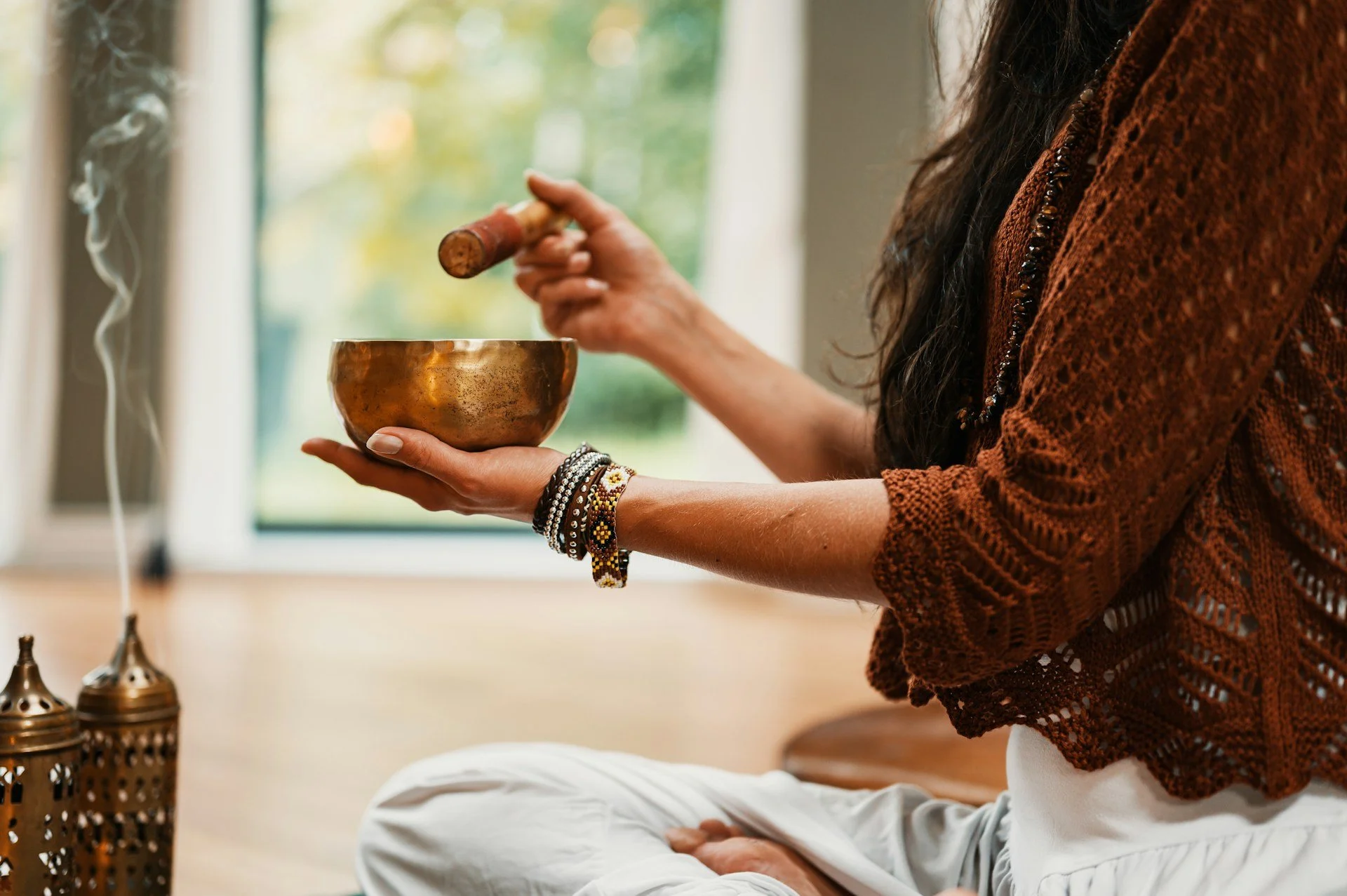
What Safe, Nervous-System Aware Meditation Looks Like
The research reinforces the need for:
Gradual pacing
Choice-based guidance
Trauma-sensitive language
Appropriate titration of inward focus
Clear permission to pause
Meditation should build capacity — not overwhelm it.
In our local Melbourne community, this is why sessions are structured to gently support regulation first, before depth.
If you’re exploring meditation in Glen Iris or surrounding suburbs, you may wish to start with:
Wednesday Night Meditation Circle – a steady, guided practice designed to build emotional regulation and presence over time.
Sacred Sunday Immersion – a longer-form experience blending mindfulness and sound, allowing the nervous system to settle gradually.
Both are designed with choice, safety, and nervous system awareness at the centre.
Meditation Is Not One-Size-Fits-All
The study also found meditation use was more common among:
Younger adults
People with higher education
LGBTQIA+ individuals
Aboriginal and Torres Strait Islander individuals
Those experiencing mental health stress
This highlights that meditation is often being accessed by communities carrying higher psychological load.
That makes responsible teaching even more important.
Meditation is not about emptying the mind.
It is about building a steady, compassionate relationship with awareness.
A Balanced Perspective on Meditation
This research offers a grounded reminder:
Meditation is widely used.
Meditation can be beneficial.
Meditation is not universally neutral.
Like exercise or therapy, it needs thoughtful application.
When approached gently and appropriately, meditation can:
Improve emotional regulation
Support resilience
Reduce stress reactivity
Increase self-awareness
Enhance wellbeing
But it deserves respect.
Meditation in Melbourne: Choosing the Right Support
If you are searching for:
Meditation classes in Glen Iris
Stress reduction in Melbourne’s eastern suburbs
Gentle mindfulness for anxiety
Nervous system regulation support
The research suggests something simple:
Choose guided, evidence-informed spaces.
Look for teachers who understand:
Mental health contexts
Trauma sensitivity
Gradual pacing
Emotional safety
Meditation works best when it feels like coming home - not forcing yourself to stay still.
With warmth and gratitude,
Sithara