Pilates Is About More Than Core Strength: How Pilates Supports Strength, Mobility, Balance and Coordination
Pilates for Everyday Movement in Glen Iris
When many people think of Pilates, they picture core exercises, stretching, or gentle movement.
While these can certainly be part of a Pilates practice, Pilates can offer much more than many people realise.
In fact, Australia's 24-Hour Movement Guidelines encourage adults to include activities that support strength, mobility, balance and coordination as part of a healthy movement routine.
These qualities are not just important for exercise. They are the foundations of how we move through everyday life.
They help us carry groceries, climb stairs, reach into cupboards, get up from the floor, play with children and grandchildren, and navigate the physical demands of daily living.
At State of Harmony in Glen Iris, our Pilates sessions are designed to support these important movement qualities while also encouraging greater awareness of the body and breath.
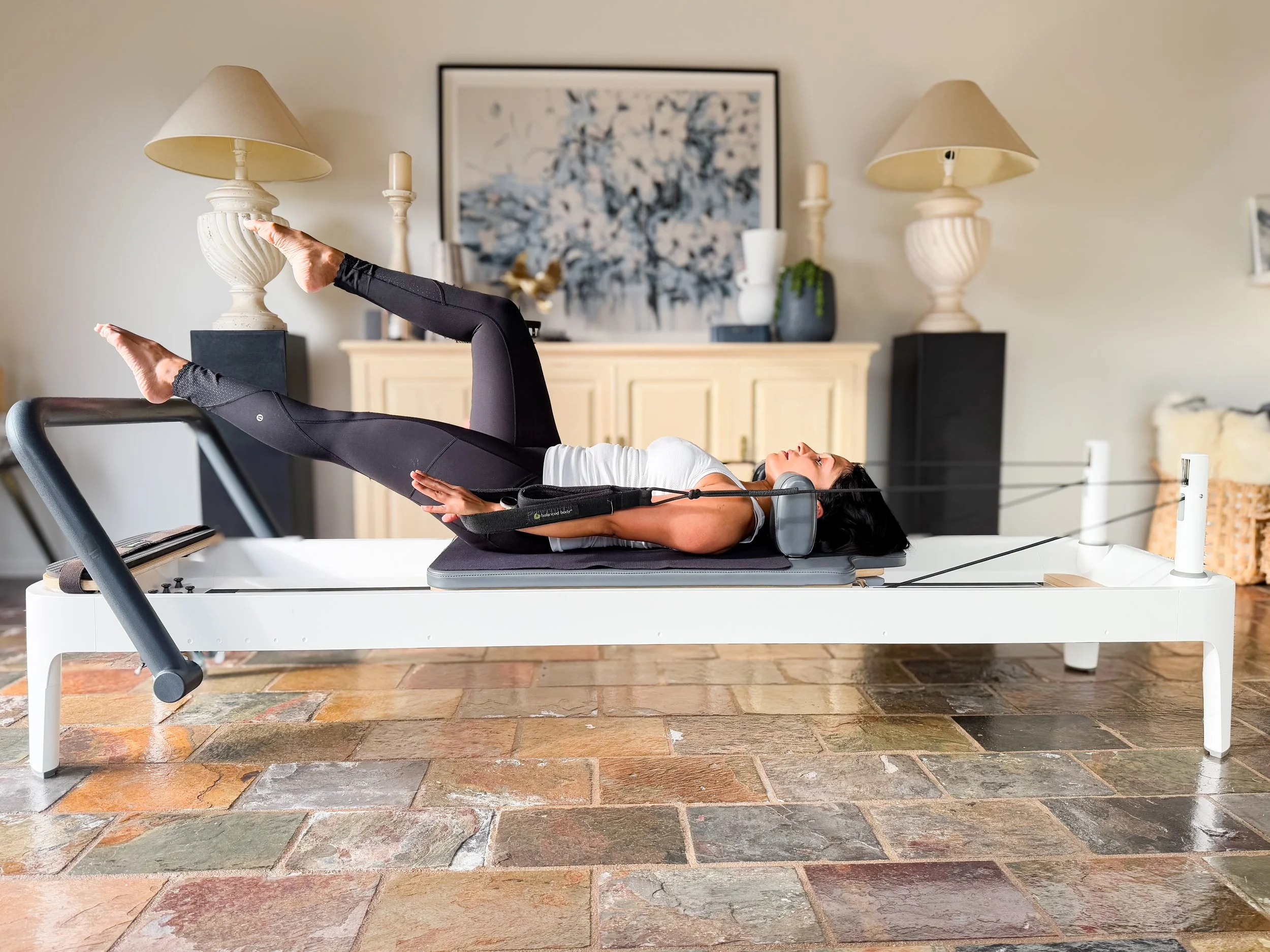
What Are Australia's 24-Hour Movement Guidelines?
Australia's 24-Hour Movement Guidelines recognise that health is influenced by how we spend our entire day, including movement, sedentary behaviour and sleep.
For adults, the guidelines encourage regular physical activity alongside activities that help maintain:
Strength
Mobility
Balance
Coordination
These qualities support functional movement and help us continue participating in the activities that matter most to us throughout life.
Rather than focusing solely on fitness, the guidelines acknowledge the importance of moving well in everyday life.
How Pilates Supports Strength
One of the most common misconceptions about Pilates is that it is only stretching or gentle exercise.
While Pilates can be accessible and adaptable, it can also be an effective way to build strength.
At State of Harmony, classes may incorporate:
Dumbbells and hand weights
Functional strengthening exercises
Progressive resistance
Bodyweight exercises
Strength is important for many everyday activities, including lifting, carrying, pushing, pulling and maintaining independence as we age.
Building strength is often a gradual process. Over time, muscles adapt when they are asked to do a little more than they have done before. This principle, often referred to as progressive overload, is one of the ways strength develops.
Why Mobility Matters
Mobility is our ability to move comfortably through an available range of movement.
Good mobility can support activities such as:
Reaching overhead
Getting in and out of the car
Putting on shoes and socks
Bending and turning comfortably
Pilates incorporates a variety of movement patterns that encourage mobility through the spine, hips, shoulders and other joints throughout the body.
Rather than forcing flexibility, Pilates encourages exploration of movement with awareness and control.
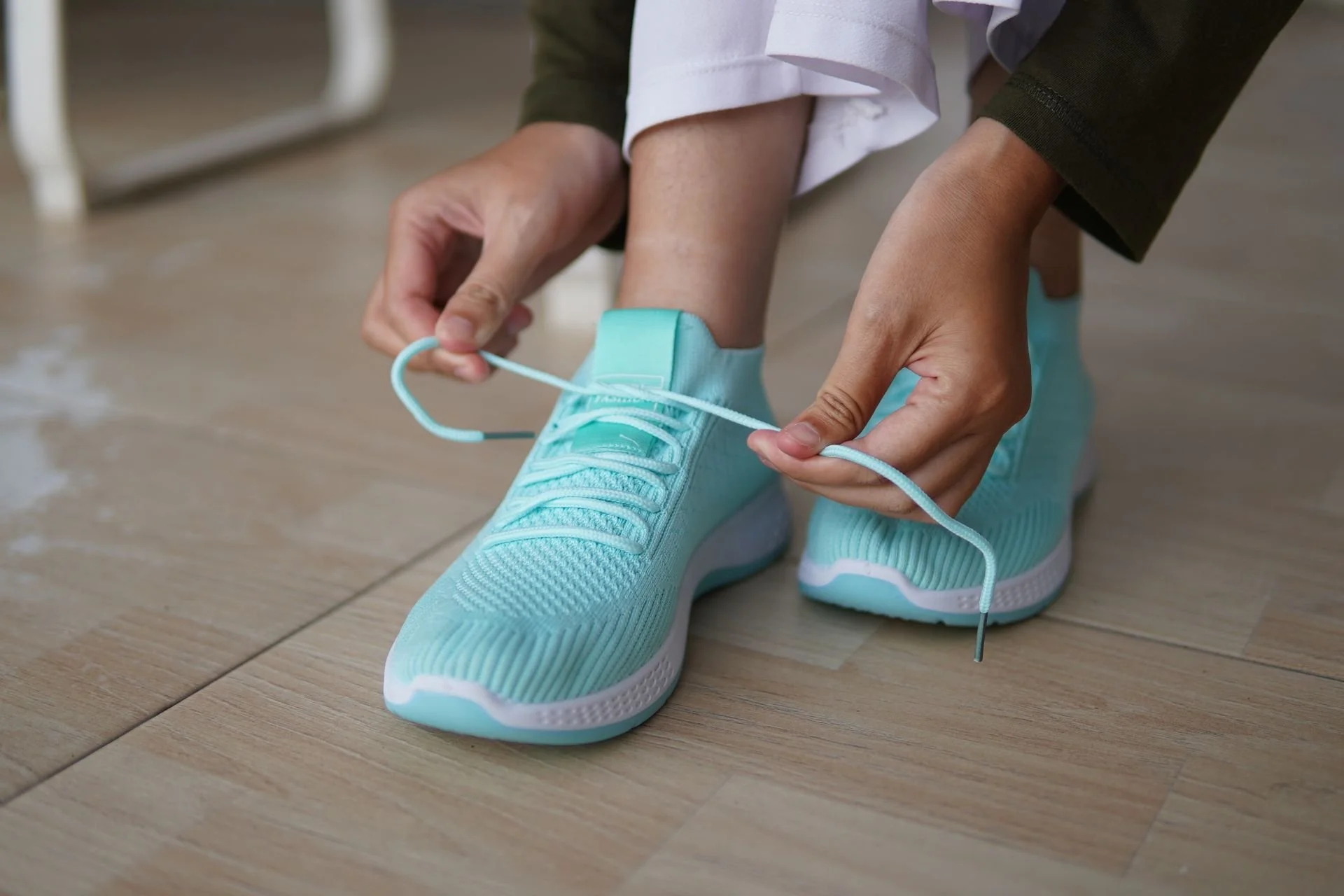
Balance and Coordination for Everyday Life
Balance and coordination become increasingly important throughout adulthood.
Balance helps us feel steady and confident when walking, navigating uneven surfaces, climbing stairs or changing direction.
Coordination allows different parts of the body to work together efficiently.
Many Pilates exercises challenge these skills through:
Standing balance exercises
Single-leg work
Changes in body position
Coordinating breath and movement
Multi-directional movement patterns
These activities can help us move with greater confidence and awareness in everyday life.
Functional Movement: Exercising for Real Life
One of the reasons Pilates is so valuable is that many exercises reflect movements we perform every day.
Pilates often includes:
Reaching
Rotating
Bending
Standing
Transitioning between positions
Moving in different directions
These movement patterns help bridge the gap between exercise and daily function.
Rather than training muscles in isolation, Pilates encourages the body to work as an integrated system.
A Different Approach to Strength Training
Something that may surprise people is that Pilates can still be challenging while remaining gentle in its delivery.
At State of Harmony, we combine evidence-informed movement principles with a trauma-sensitive and invitational approach.
This means participants are encouraged to listen to their bodies and engage at a level that feels supportive and appropriate for them.
You might hear phrases such as:
"Notice what feels right for your body today."
"Everything is optional."
"You might like to explore this variation."
"Choose the option that best supports you."
The goal is not to push through discomfort or chase perfection.
The goal is to gradually build strength, mobility, confidence and body awareness over time.
Pilates and Mindful Movement
What makes our approach unique is the integration of mindfulness into movement.
Alongside strength, mobility, balance and coordination, participants are invited to develop greater awareness of:
Breathing patterns
Body sensations
Muscle tension
Effort and ease
Movement habits
This awareness can help create a more connected and intentional movement experience.
Pilates in Glen Iris with State of Harmony
At State of Harmony, Pilates is about more than exercise.
It is about supporting the way we move through life.
By developing strength, mobility, balance, coordination and body awareness, Pilates can help us feel more capable, confident and connected in our bodies.
Whether you are returning to movement, looking to build strength, or seeking a more mindful approach to exercise, Pilates offers an opportunity to support both physical wellbeing and body awareness.
Book a Pilates Session
State of Harmony offers private and small group Pilates sessions in Glen Iris, Melbourne.
Both Mat Pilates and Clinical Pilates sessions are run by Sithara, an experienced physiotherapist, Pilates instructor and founder of State of Harmony. Her approach combines movement knowledge, body awareness and mindful instruction to support strength, mobility, balance and confidence.
Explore current classes and bookings:
https://www.stateofharmony.com.au/book-online
With warmth and gratitude,
Sithara
Acknowledgement of Inspiration
This article draws upon Australia's 24-Hour Movement Guidelines and the evidence reviews that informed their development. The information is shared for general wellbeing education and is not intended as individual health advice.
-
Australian Government Department of Health and Aged Care
Australia's 24-Hour Movement Guidelines:
https://www.health.gov.au/topics/physical-activity/24-hour-movement-guidelines-for-all-australiansCollection of Evidence Informing Australia's 24-Hour Movement Guidelines:
https://www.health.gov.au/resources/collections/collection-of-evidence-to-inform-australias-24-hour-movement-guidelines